Everything You Required to Know Regarding Windscreen Tinting for Your Car
Windscreen tinting is a functional enhancement for cars, supplying different benefits that numerous owners might neglect. It supplies advantages like UV security and temperature level control. The options readily available are substantial, and the legal landscape can be complex. Understanding the sorts of tints and installation procedures is necessary for making informed choices. As the discussion unfolds, it becomes clear that there is a lot more to contemplate before waging windshield tinting.

Advantages of Windshield Tinting
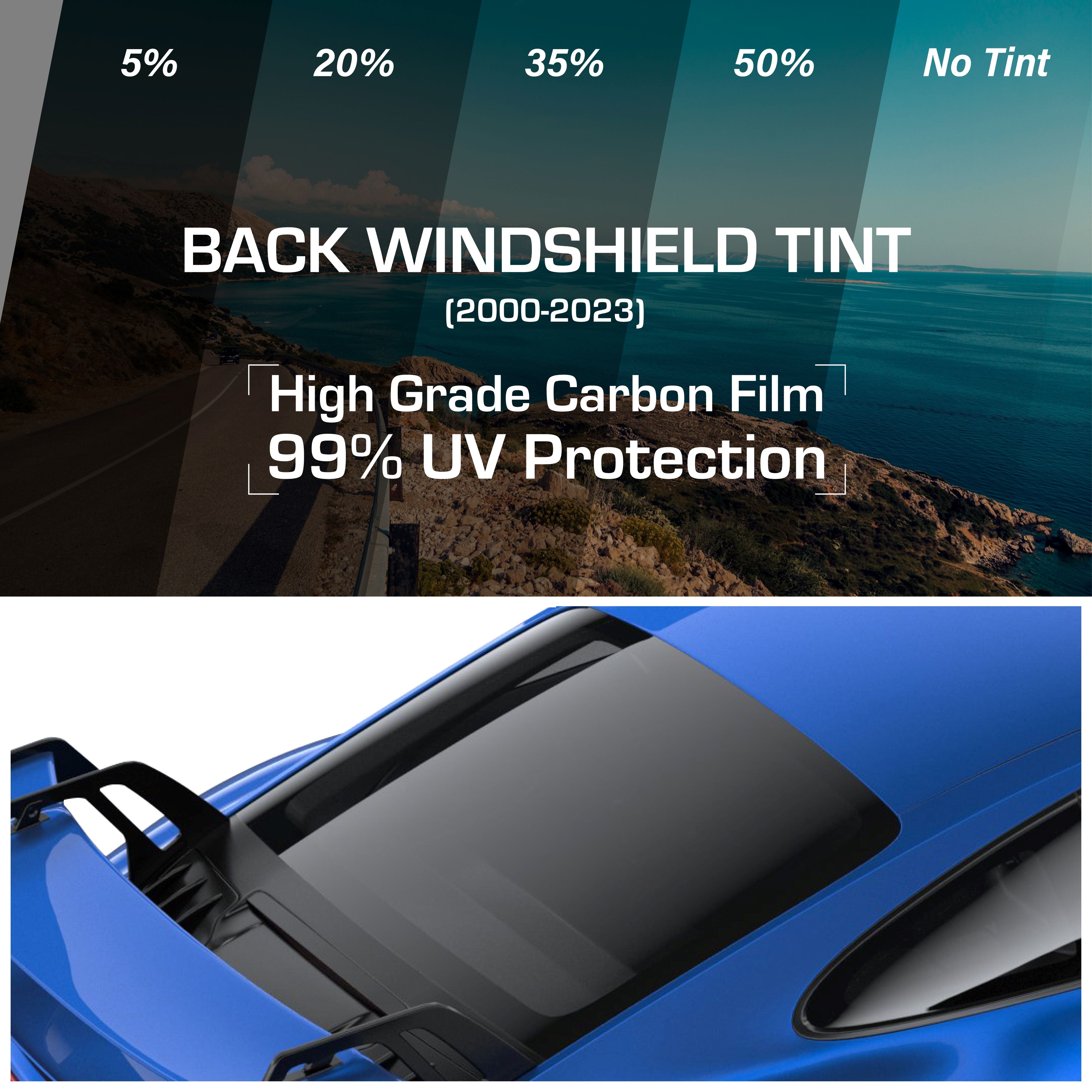
Some automobile owners might ignore windshield tinting, its benefits are significant. One of the key benefits is enhanced UV security. Colored windshields can block as much as 99% of hazardous ultraviolet rays, lowering the threat of skin damage for travelers and maintaining the car's inside from fading and splitting. Moreover, windshield tinting can enhance driving comfort by reducing glare from the sun, which can be a safety and security hazard. This decrease in glow enables for far better visibility and a much more delightful driving experience.Additionally, windshield tinting contributes to temperature control within the lorry. By reflecting sunlight, it aids maintain a cooler cabin, causing lowered reliance on air conditioning and enhanced gas effectiveness. Ultimately, personal privacy is another benefit, as colored windscreens offer a degree of camouflage from prying eyes, enhancing security for personal possessions. Generally, the advantages of windscreen tinting make it a worthwhile factor to consider for automobile owners.
Kinds of Windshield Tints
When choosing windshield tints, car owners come across a selection of alternatives, each offering distinctive characteristics and advantages. Windshield Tinting Newark. One of the most typical kinds include dyed, metalized, and ceramic tints. Colored tints are prominent for their visual charm and capacity to lower glare, but they might discolor in time. Metalized colors integrate small steel particles that improve warmth denial and increase toughness, although they can hinder digital signals. Ceramic colors are understood for their high performance, providing exceptional UV protection and heat denial without signal interference, making them a premium choice. Additionally, some suppliers offer hybrid alternatives that incorporate the advantages of metalized and colored tints, giving a balance of looks and performance. Each type of color differs concerning appearance, efficiency, and cost, enabling vehicle owners to select based on their specific requirements and preferences. Understanding these options is crucial for making a notified decision
Legal Laws for Windshield Tinting
Lawful laws relating to windscreen tinting differ significantly by state, with each jurisdiction enforcing particular visibility demands. Conformity with these regulations is vital to avoid legal charges, which can consist of penalties or requireds to remove non-compliant tinting. Comprehending the subtleties of these policies can help car proprietors make notified decisions regarding their tinting alternatives.
Tinting Laws by State
What regulations govern windscreen tinting across the USA? Windshield tinting legislations differ substantially from state to state. Each state develops specific guidelines concerning the permitted levels of tint darkness, the sorts of movies enabled, and the places on the windshield where tinting can be applied. Some states allow a particular percentage of Visible Light Transmission (VLT) for the upper windshield strip, while others might have more stringent constraints or outright bans. Furthermore, states might vary in their enforcement of these legislations, with some enabling exemptions for medical reasons. Automobile owners have to acquaint themselves with their state's regulations to avoid fines and warranty conformity when considering windshield tinting choices for their automobiles.
Exposure Demands
Legal Fines for Offenses
Failure to abide by windscreen tinting policies can cause considerable legal fines for automobile owners. Most states apply particular laws pertaining to the permitted color percentage and reflectivity on windscreens. Violations might bring about fines, which can vary commonly depending on the jurisdiction. In many cases, legislation enforcement might issue a citation, needing the automobile proprietor to correct the tinting within a defined timeframe. Repetitive offenses may cause enhanced fines or perhaps factors on the copyright. Furthermore, incorrectly colored windshields can result in the car stopping working assessments, possibly causing further fines. It is vital for car owners to acquaint themselves with regional laws to avoid unneeded legal problems and warranty conformity with tinting laws.
Setup Refine and Tips
Setting up windshield tint needs mindful prep work and attention to information to secure an expert coating. The procedure starts with selecting the suitable tint movie that follows local regulations. When picked, the vehicle ought to be parked in a tidy, dust-free atmosphere to decrease pollutants during installation.Next, the windscreen must be thoroughly cleaned to get rid of any type of dirt, oil, or residues that can disrupt attachment. Making use of a spray bottle loaded with a blend of water and a couple of declines of soap can help oil the surface before applying the tint.The film is then carefully gauged and cut to fit the windshield, permitting a mild overlap at the edges. After placing the film, it needs to be squeegeed to remove air bubbles and safe and secure correct adherence. Lastly, trimming the excess look these up film and permitting it to treat are crucial steps for a seamless surface.
Upkeep and Take Care Of Tinted Windshields
Keeping colored windshields is essential for preserving their appearance and capability over time. Regular cleaning is vital; making use of a soft microfiber towel and a mild automotive glass cleaner aids protect against scrapes and keeps quality. It is advisable to stay clear of ammonia-based cleansers, as they can weaken the tint.Additionally, routine examinations for any indications of peeling off or bubbling ought to be performed. Addressing these problems quickly can prevent more damages. Vehicle parking in shaded areas or utilizing sunshades can aid minimize sun direct exposure, lowering the risk of fading.Furthermore, motorists ought to be careful when using tools or accessories that might unintentionally contact the tinted surface area. Mindful handling, specifically when cleansing or applying protective movies, can prolong the lifespan of the tint. By complying with these upkeep methods, car proprietors can assure their tinted windshields continue to be both functional and aesthetically appealing for years to find.
Usual Misconceptions Regarding Windshield Tinting
Many mistaken beliefs surround windshield tinting, particularly concerning legal restrictions and the performance of warmth reduction. Understanding the real laws controling tint levels can assist car proprietors make informed choices (Windshield Tinting Newark). Additionally, it is essential to clear up exactly how much warm tinting can absolutely decrease inside a lorry
Legal Restrictions Clarified
What are the typical mistaken beliefs bordering the lawful constraints of windscreen tinting? Lots of individuals think that any type of degree of color on a vehicle's windscreen is acceptable, bring about complication and potential penalties. Actually, laws differ significantly by state, with specific regulations determining the permitted portion of visible light transmission (VLT) Some think that darker tints supply complete personal privacy; however, this often causes lawful effects if the tint surpasses local limits. Additionally, mistaken beliefs exist pertaining to the sorts of color movie that are legal; for instance, reflective colors may have stricter policies. Comprehending these legal parameters is vital for car owners to ensure and stay clear of charges conformity while accomplishing their desired visual.
Warm Decrease Misconceptions
Many misunderstandings border the efficiency of windshield tinting in minimizing warm inside vehicles. A typical myth suggests that all tints greatly reduced temperatures, but effectiveness varies by the type and high quality of the film made use of. Additionally, some think that darker tints constantly provide much better warmth reduction; nonetheless, advanced metallic and ceramic films can provide remarkable performance without severe darkness. An additional misconception is that tinting solely obstructs sunshine; in truth, it can likewise show infrared rays accountable for warm. Finally, many presume that windscreen tinting is just helpful in bright environments, disregarding its benefits in reducing heat also in cooler areas. Comprehending these misconceptions is crucial for customers to make educated decisions about windscreen tinting.
Often Asked Inquiries
Will Windshield Tinting Influence My Automobile's Resale Value?
The impact of windscreen tinting on a car's resale worth differs. Some possible customers might value the included privacy and UV protection, while others could view it as an adjustment that interferes with the vehicle's charm.
Can I Apply Color Over an Existing Manufacturing Facility Color?
Using color over an existing manufacturing facility color is feasible, yet it might cause problems such as peeling or bubbling. It's crucial to consult an expert to assure the best outcomes and adherence to lawful regulations.
For How Long Does Windscreen Color Last?
Windscreen tint normally lasts in between five to 10 years, depending on the top quality of the film, installation, and environmental variables. Proper maintenance can prolong its life expectancy, maintaining both appearance and efficiency against UV rays and warm.
Is Windshield Tinting Safe for All Kinds Of Cars?
Windscreen tinting safety linked here differs by car type and local policies. While lots of lorries can benefit from tinting, particular designs or conditions may limit its application, requiring mindful consideration of legal limitations and maker guidelines.
Can I Eliminate Windshield Color Myself if Needed?
Eliminating windshield tint can be a challenging task. It requires cautious methods to stay clear of harming the glass. Numerous individuals select professional support, yet experienced DIYers might successfully finish the process with the right devices and perseverance. Each state establishes specific standards regarding the allowable degrees of tint darkness, the kinds of movies that site permitted, and the areas on the windscreen where tinting can be used. Additionally, some states restrict any kind of tinting on the windscreen other than for a supplier's color band at the top. Some presume that darker tints offer full privacy; nonetheless, this often leads to legal consequences if the color goes beyond regional limits. Furthermore, mistaken beliefs exist relating to the kinds of tint movie that are lawful; for circumstances, reflective tints might have more stringent laws. Using tint over an existing factory tint is feasible, but it might lead to problems such as bubbling or peeling off.